
Impartial Justice and Public Order
Henry IV, Part 2This thread follows how the play tests legal authority in personal disputes, political succession, and the treatment of the king's former companions.
increasing Bearing strength in each event
 decreasing
Bearing strength in each eventdecreasingThe Prince Punished
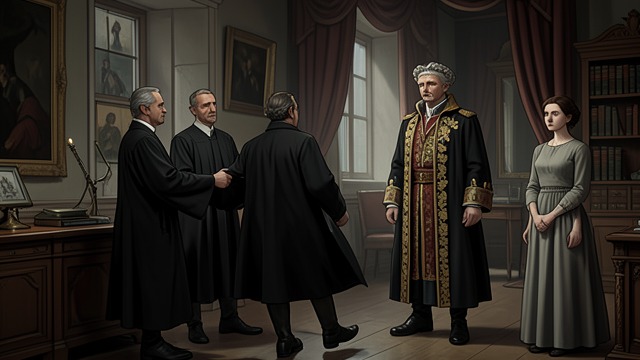
Law Reaches the Heir
A Prince in Court
The Lord Chief-Justice once committed Prince Henry after the prince struck him. The act asserts that the court's authority does not vanish when a royal heir breaks the peace.
A Test for the Future
The punishment creates a personal conflict that could later threaten the judge. Its significance depends on whether the new monarch will accept that legal authority should have applied to him.
Falstaff's Debt
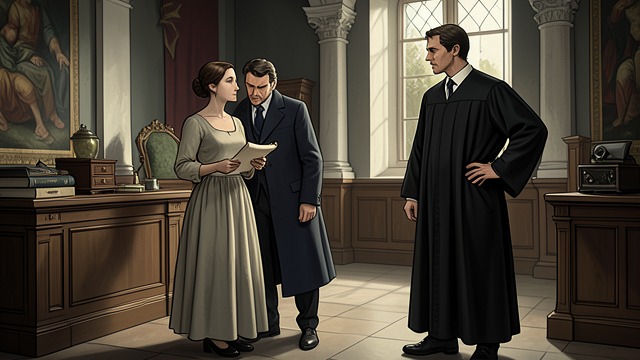
A Private Claim in Public
The Hostess's Complaint
Mistress Quickly seeks repayment from Falstaff and describes his repeated promises. The Lord Chief-Justice listens to her claim rather than allowing Falstaff's status and jokes to end the matter.
Accountability Beyond Rank
He orders Falstaff to pay what he owes and make amends. The scene places ordinary debt within the same moral world as the larger questions of royal justice.
Rebellion Judged
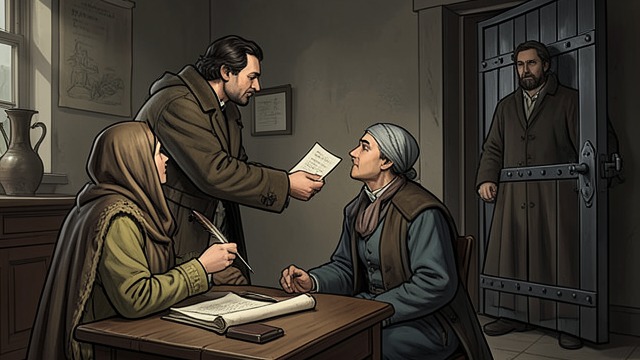
Peace and Treason
A Conditional Agreement
The Archbishop's faction presents written complaints and asks for redress. John of Lancaster promises to accept the terms, while the rebels expect a safe return to peace.
Legal Categories Contested
After their leaders are arrested, Lancaster distinguishes redress from pardon. The exchange exposes how legal language can be used to define the same event as a grievance, an agreement, or treason.
The Judge Defends His Office

A Question of Impartiality
The Judge's Reasoning
The Lord Chief-Justice explains that he acted in the king's name when he punished Prince Henry. He asks the new king to imagine a son violating the law while his father watches.
Authority on Trial
The argument makes the king judge a standard that also constrains himself. The fate of the judge becomes a test of whether law survives a transfer of power.
The Law Preserved

A Royal Endorsement
The Judge Retained
The new king confirms the Chief-Justice in office and gives him the sword of justice. He praises the earlier punishment as bold and impartial rather than insulting.
A Standard for Succession
The king says he hopes a future son will also be corrected by the judge. Legal authority becomes part of the new reign's public claim to order and legitimacy.
Before the play's opening
During the London arrest scene
At the Gaultree Forest settlement
At the new king's first council
At the new king's response to the Chief-Justice
